Main Menu


Processing Overview
Partner in Fish Processing
BAADER Products
Primary Processing
Secondary Processing
Software Solutions
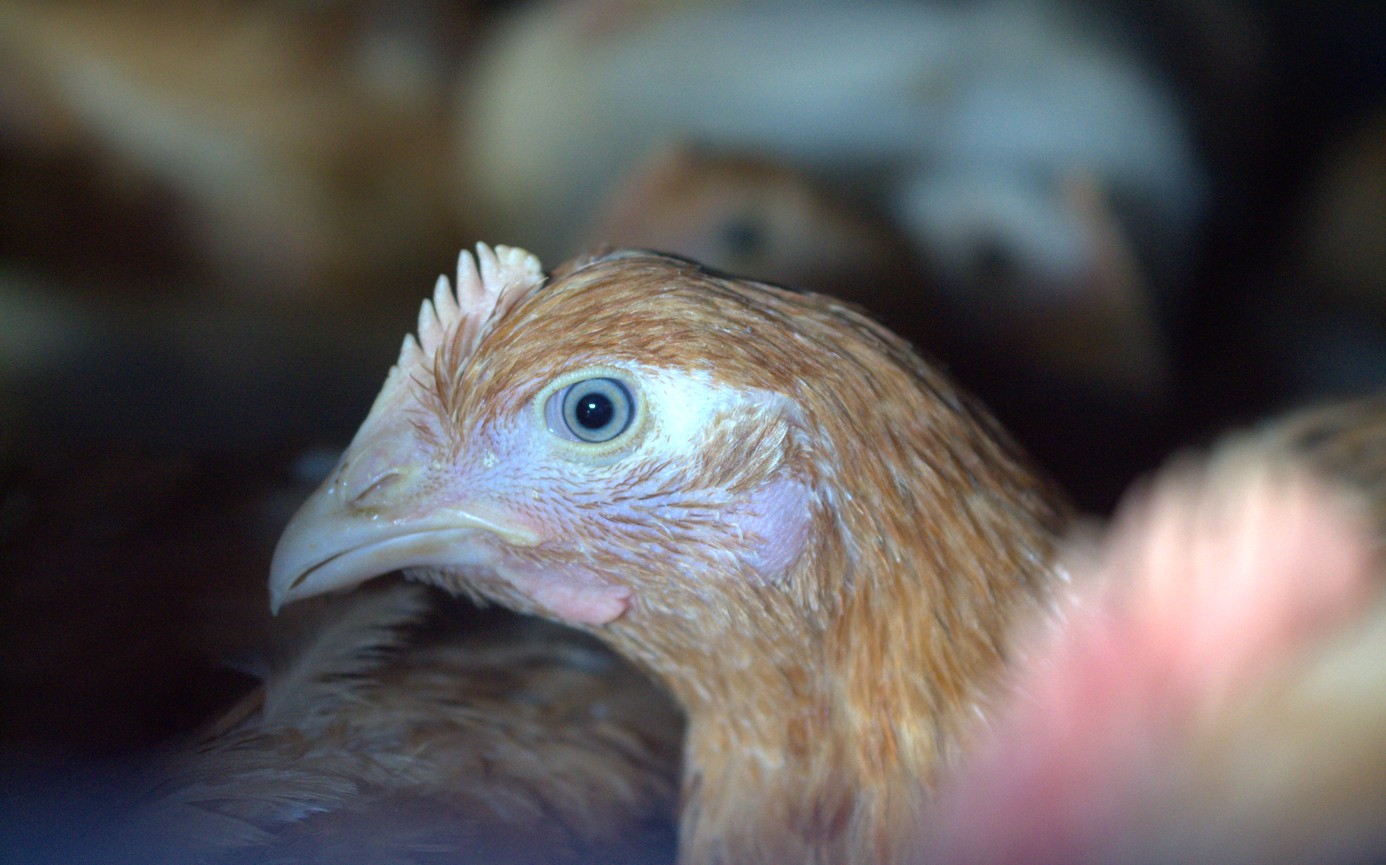
In today’s poultry industry, processors operate under increasing pressure from multiple directions.
Higher processing speeds demand more from every part of the system. At the same time, labour challenges make manual handling more difficult to sustain. Stricter animal welfare regulations continue to raise expectations, while sustainability targets require reductions in energy use, emissions, and waste. On top of this, biosecurity risks must be tightly controlled to protect both product and plant integrity.
These external pressures translate into very real operational challenges:
Even small inefficiencies in live bird handling can cascade through the entire production process, affecting both cost and output.
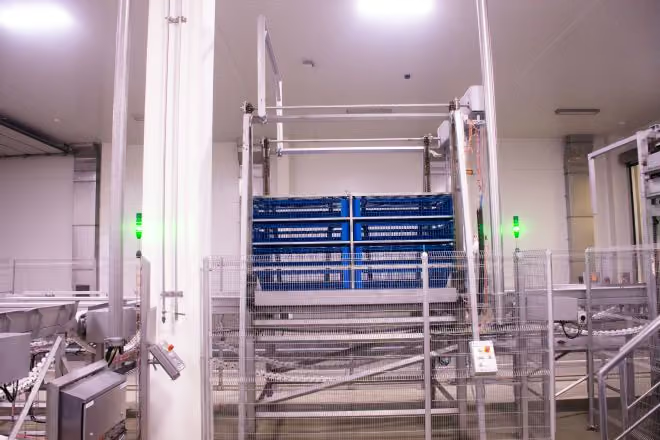
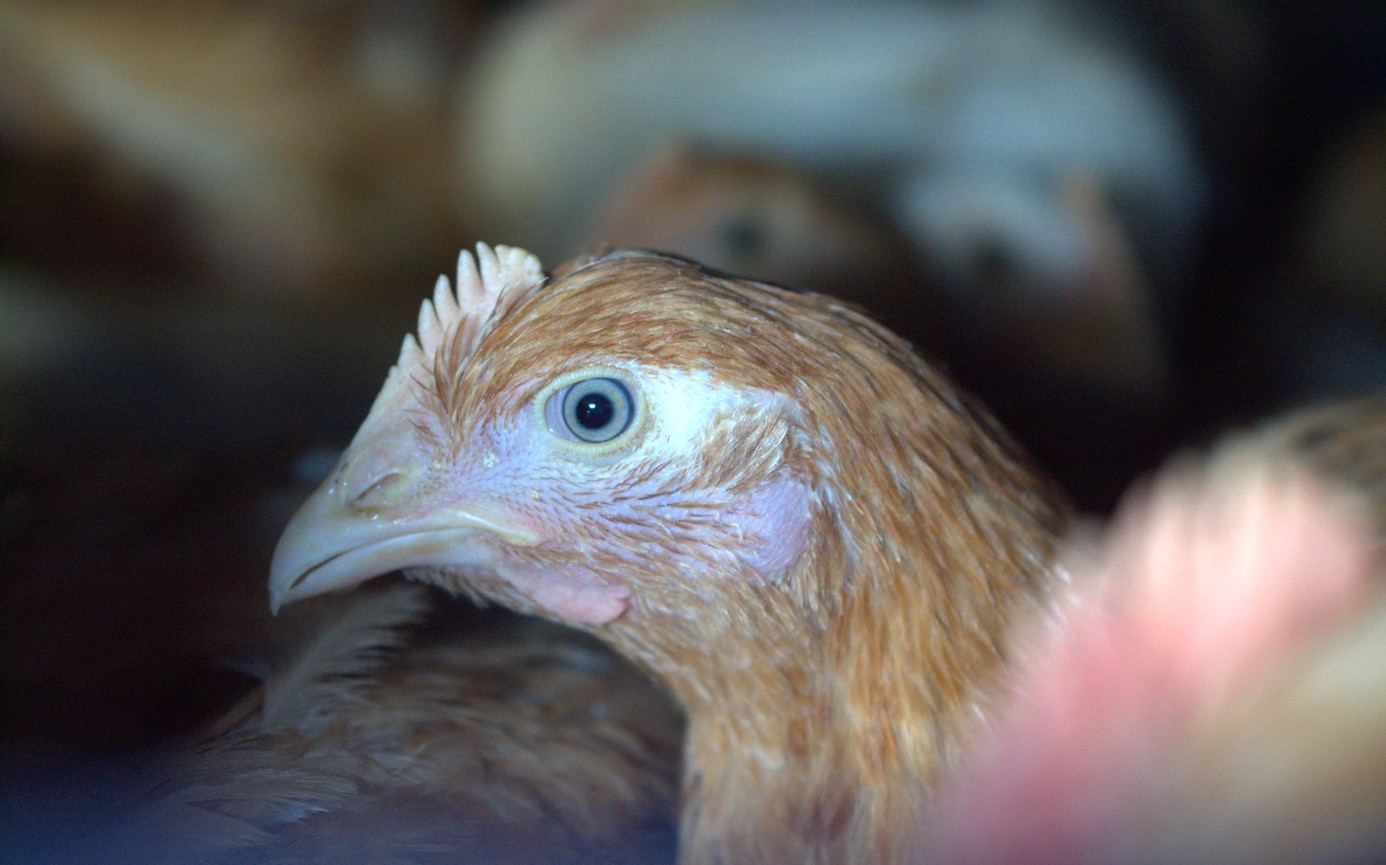
Live birds represent a high-value input that has already required significant investment before they reach the plant. Any loss in quality during handling translates directly into lost yield and reduced profitability.
Poor handling conditions during catching, transport, or reception can lead to stress, injury, and inconsistent product quality. These issues do not remain isolated - they impact downstream efficiency, outcome quality, and customer expectations.
In contrast, well-designed handling systems help maintain control over a process that has traditionally been variable and labour-intensive.
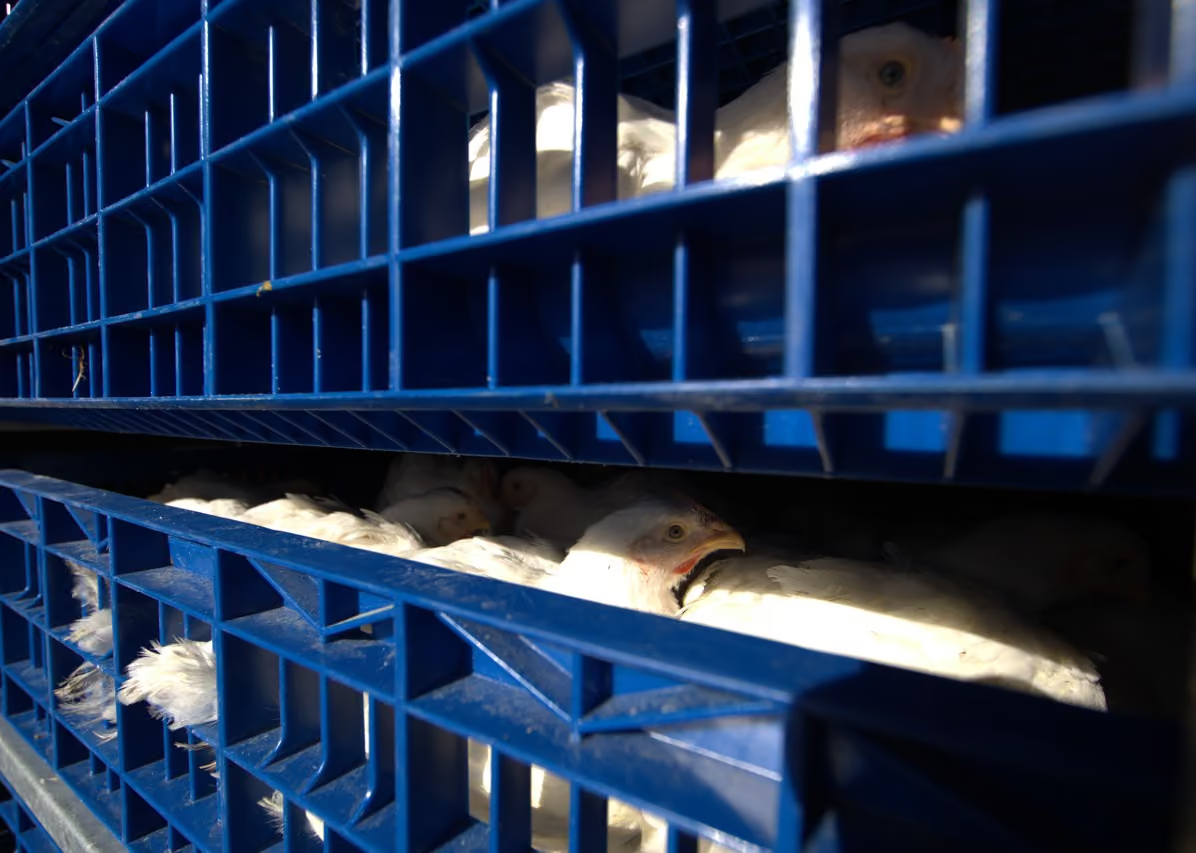
To address the above-mentioned challenges, the industry is increasingly moving toward integrated, automated, and welfare-focused handling systems.
Modern solutions are designed to manage the full journey from farm to shackling in a controlled and consistent way, reducing variability and improving outcomes across multiple dimensions.
Key capabilities include:
Gentle and Controlled Handling: Reducing stress and physical impact during catching, transport, and unloading helps preserve both welfare and product quality.
Automated Processes Where It Counts: Automation in key areas such as catching, unloading, stacking, or equipment washing reduces labour dependency while improving consistency and throughput.
Stable Line Feeding: Automated reception systems are designed to ensure a continuous and controlled flow of birds to the shackling area, even at high processing speeds.
Environmental Control: Proper airflow during transport and lairage helps prevent heat stress and supports animal welfare under varying climate conditions.
Hygiene and Biosecurity: Washable and disinfection-ready systems help reduce pathogen risks and maintain strict hygiene standards between flocks.
Scalability and Flexibility: Modular system designs allow processors to expand capacity or adapt layouts as production needs evolve, without major operational disruption.
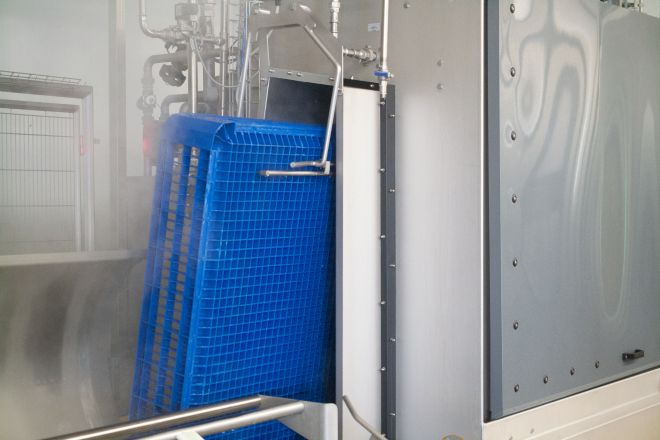
Selecting the right live bird handling approach depends heavily on operational context. Farm layout, infrastructure, and access conditions all influence system design. Therefore, the most effective live bird handling strategies treat the entire process as one integrated system rather than isolated steps.
From farm loading to plant reception, every stage must work together to maintain flow, protect bird welfare, and support consistent processing.
When this is achieved, processors benefit from:
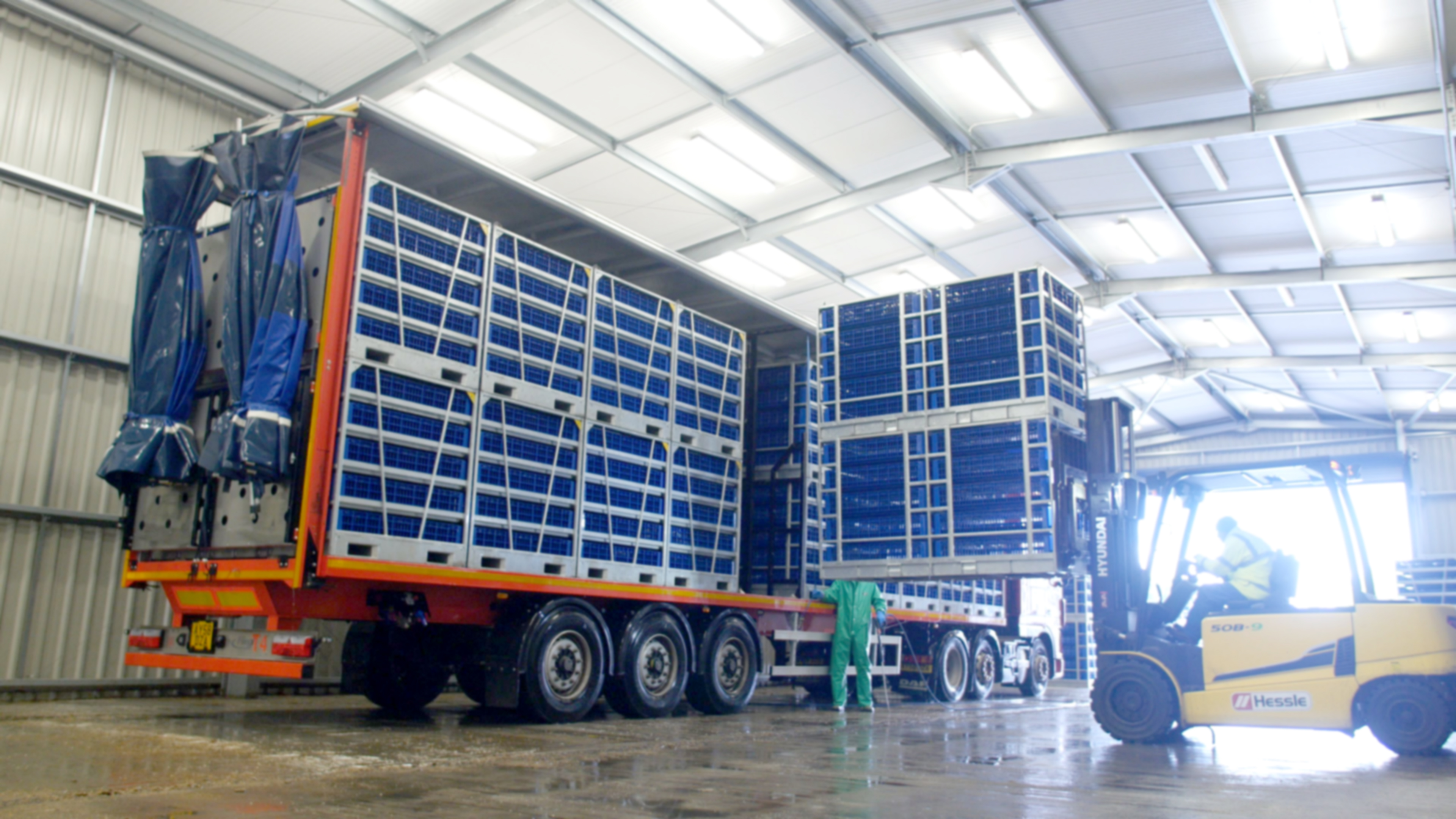
To meet these diverse needs of a global market, BAADER offers crate handling and module/drawer solutions in a variety of modular layout options. These solutions are designed to adapt to specific operational requirements, ensuring flexibility and efficiency in handling processes.
Our live bird handling specialists provide processing audits to effectively analyze current and future challenges, helping processors design reception layouts that meet market demands. With over 80 years of proven expertise in handling live birds, we offer solutions supported by both global and local services to ensure equipment operates smoothly and efficiently.
Visit Live Bird Handling to learn more about the BAADER live bird handling solutions.
.jpg)