Main Menu


Processing Overview
Partner in Fish Processing
BAADER Products
Primary Processing
Secondary Processing
Software Solutions
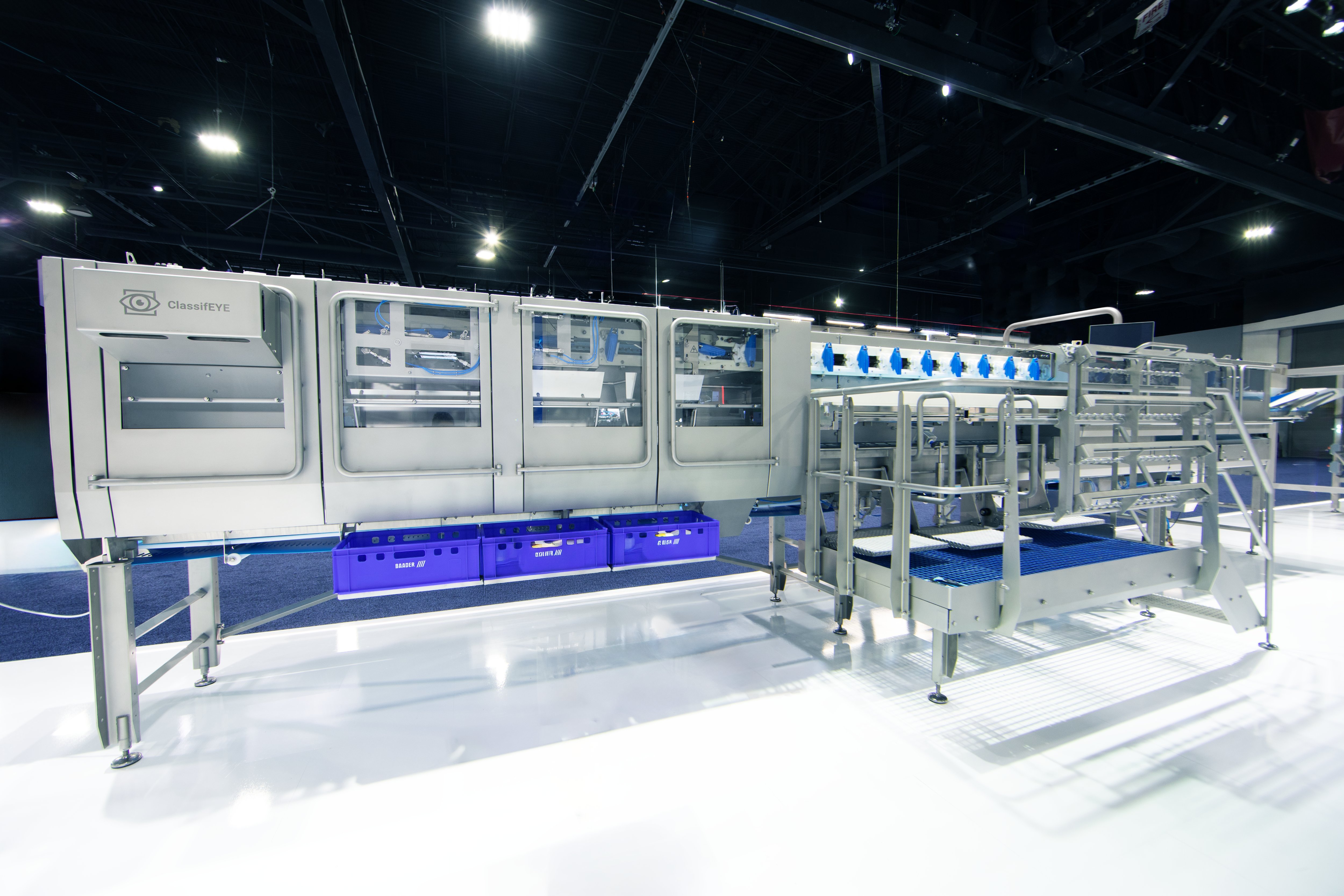
With growing demand for deboned poultry products, processors need solutions that combine high capacity, flexibility, and consistent product quality. The Front Half Deboner 6630 meets these requirements with automated in-line deboning, helping maximize yield while offering the versatility to produce a wider range of end products.
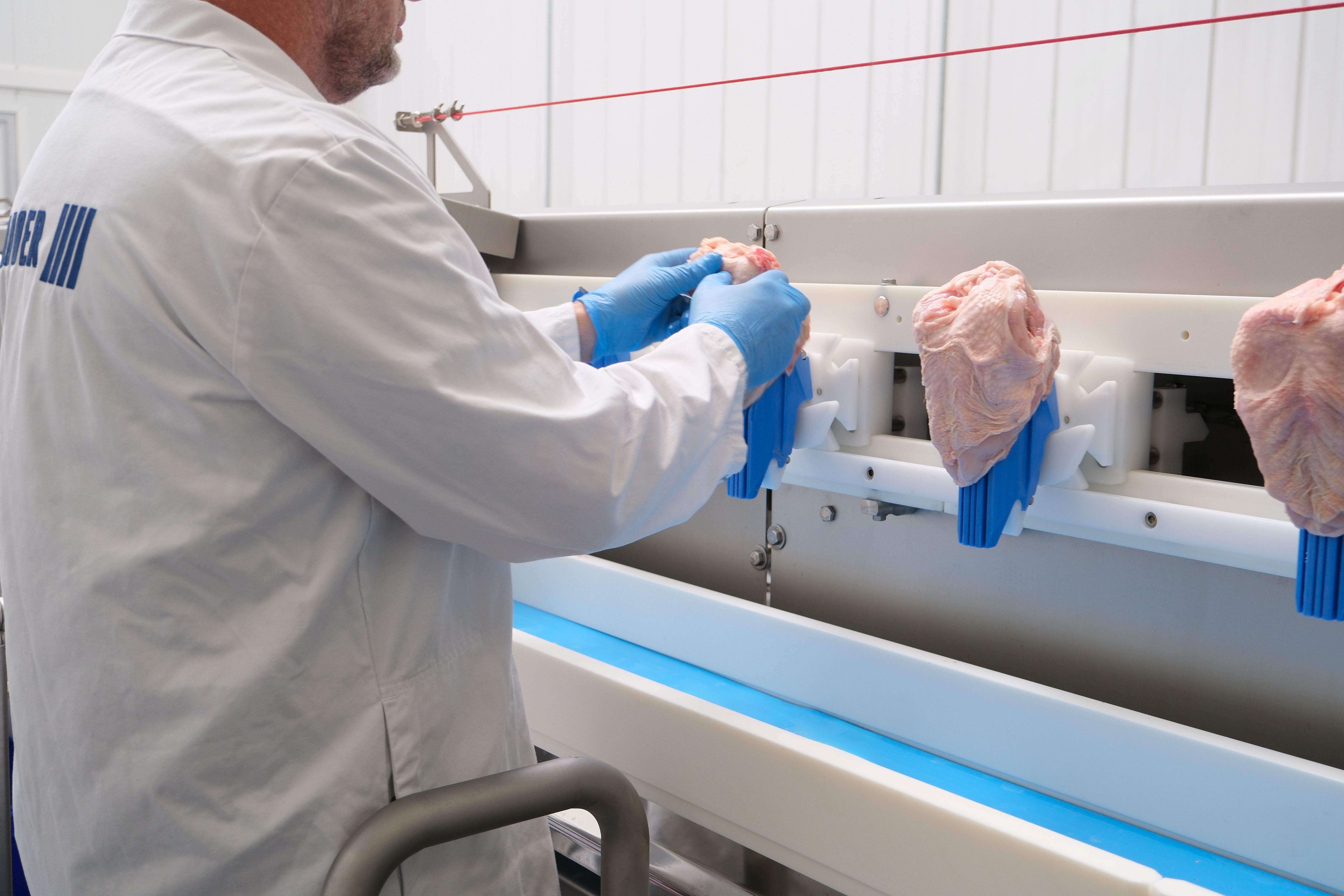
Finding and retaining skilled workers for deboning operations remains a key challenge for poultry processors. Automation offers an effective solution, helping reduce reliance on manual labour, ensure reliable production, and deliver consistent results while maintaining high processing capacity in a competitive labour market.
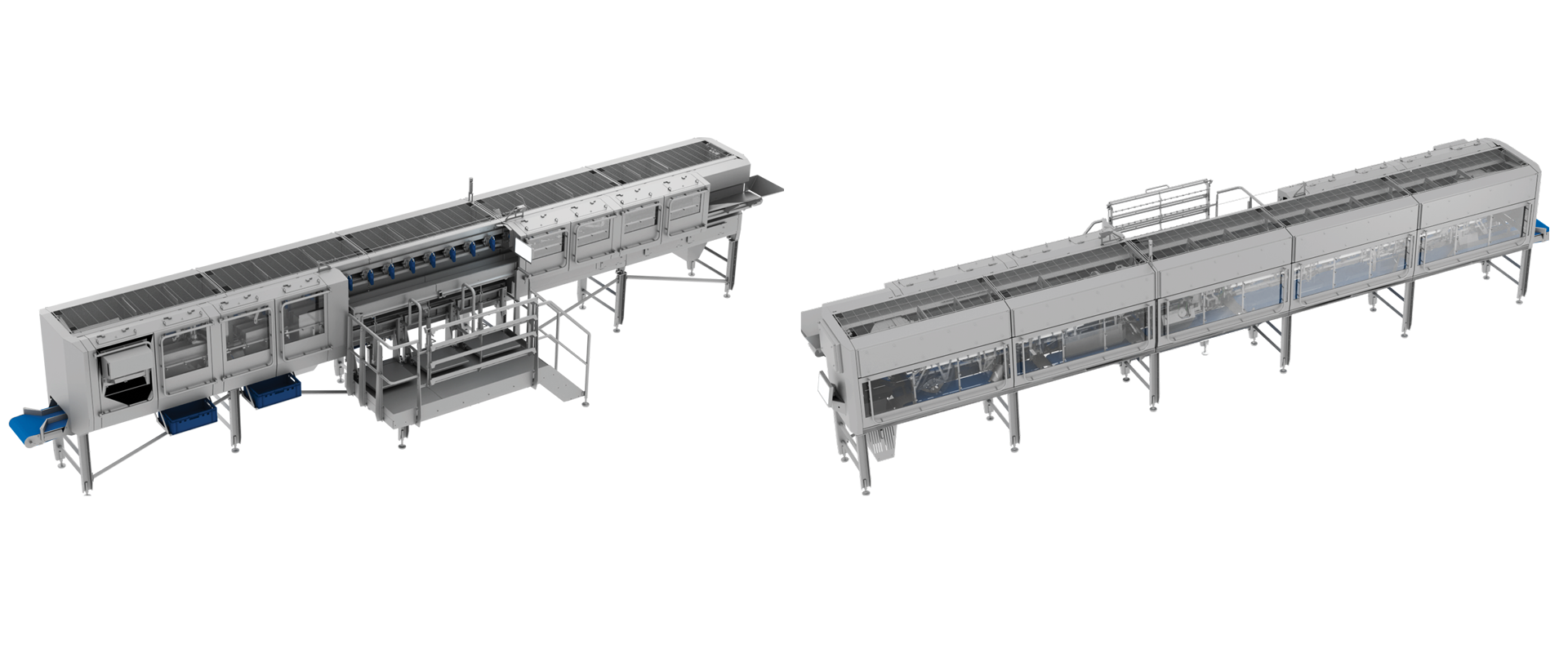
The Front Half Deboner 6630 is designed to deliver high performance with a compact footprint. Its space-efficient design helps poultry processors make better use of available floor space, while its flexible production capabilities provide the versatility and efficiency to meet a variety of processing needs.
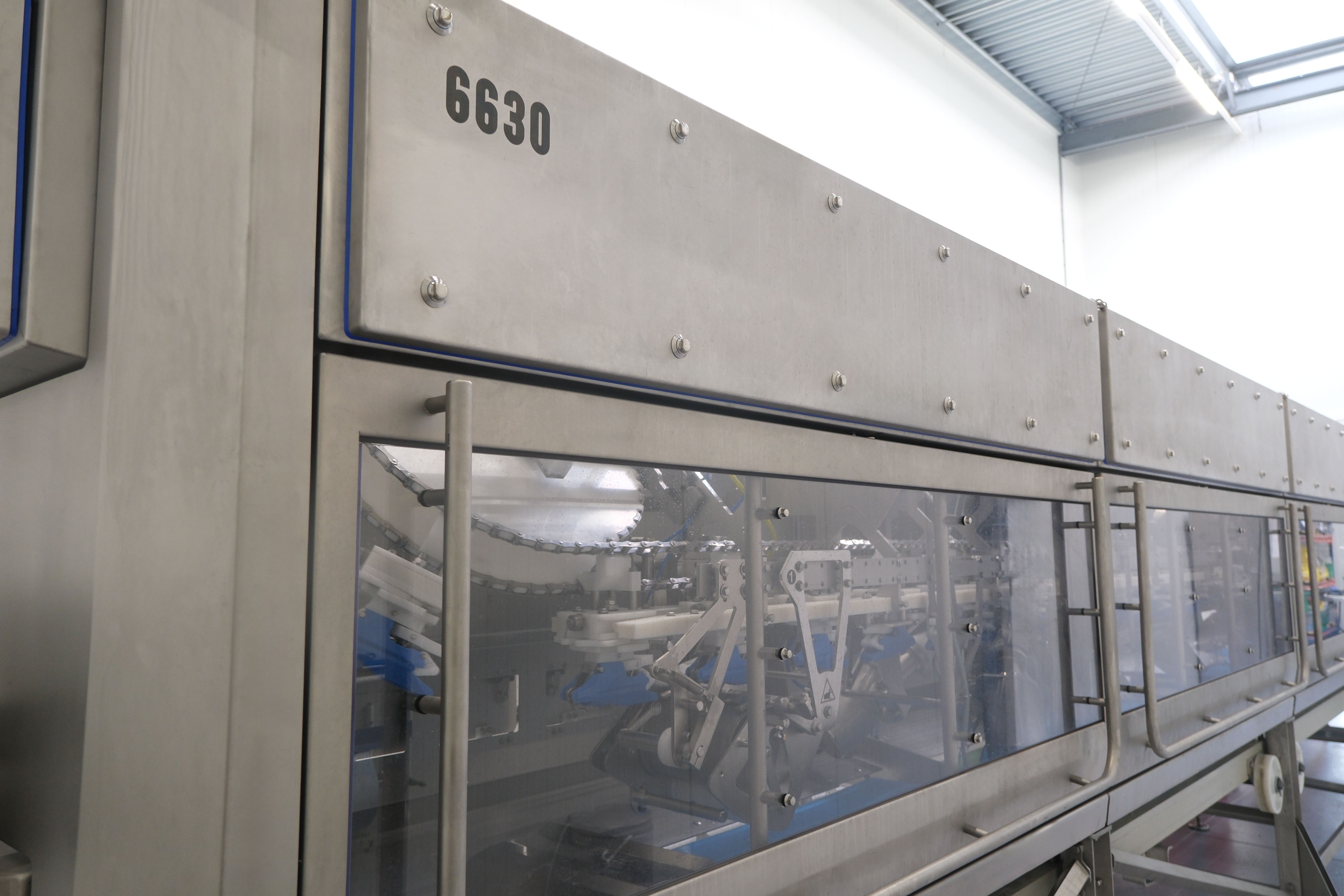
The Front Half Deboner 6630 offers the flexibility to meet changing production demands. With a modular design that supports a wide range of machine units, it can be configured to suit specific market needs and product requirements. This adaptability allows processors to handle diverse end products today while staying prepared for future changes in demand and new business opportunities.

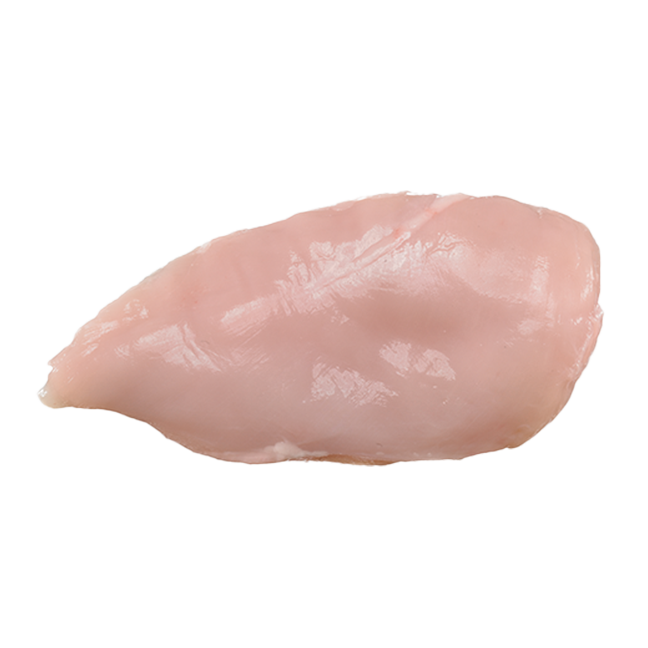
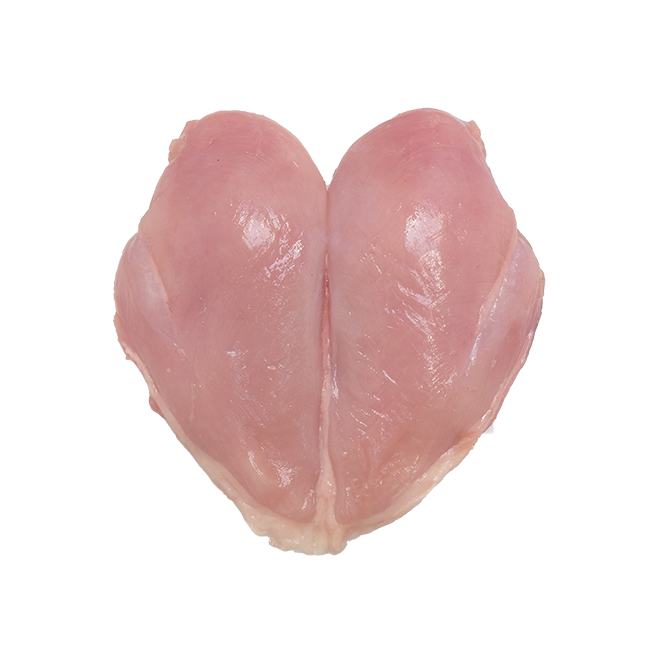
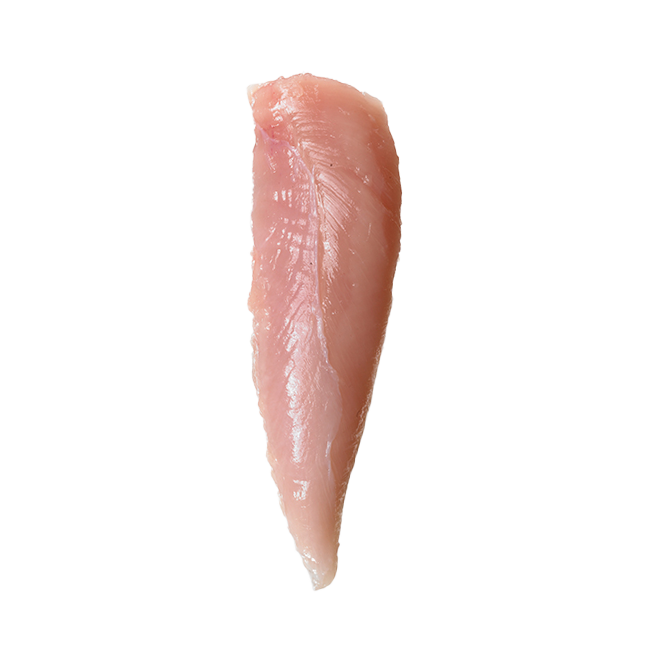
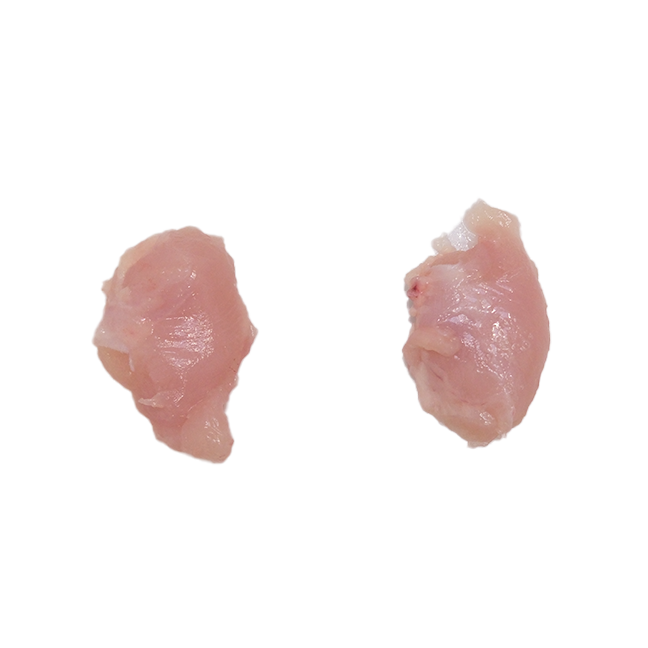
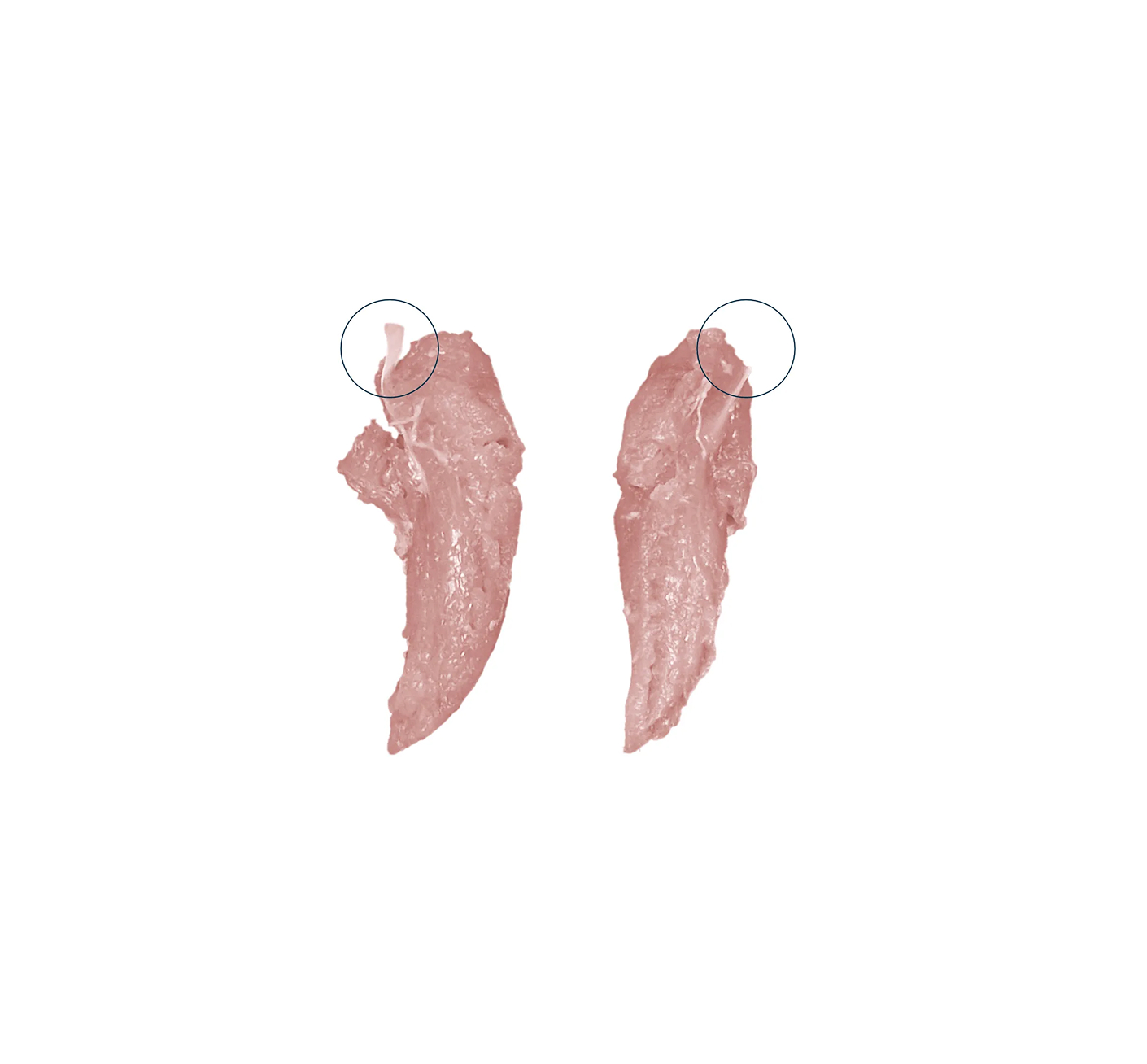
The Front Half Deboner 6630 can be fitted with an optional tendon clipping module to enhance tender fillet quality and presentation. By removing protruding sinew, the module delivers a cleaner finish and a more appealing final product.
Designed for versatility, the tendon clipping function accommodates different fillet configurations, including individually separated tender fillets and single or butterfly fillets with the tender still attached.
Easy access and clear visibility are key features of the machine’s design. The large lifting doors allow operators to reach the processing tools quickly for cleaning, inspection, and maintenance. As the doors open within the machine’s existing footprint, valuable production space is preserved.
Safety is ensured through CE-certified doors equipped with an interlock system that automatically stops the machine if a door is opened during operation. This helps protect operators while supporting safe and reliable day-to-day use.
The transparent doors allow operators to keep an eye on the deboning process while the machine is running. By providing a clear view of the processing area, they help operators detect irregularities early and respond promptly, reducing unnecessary downtime and supporting continuous production.
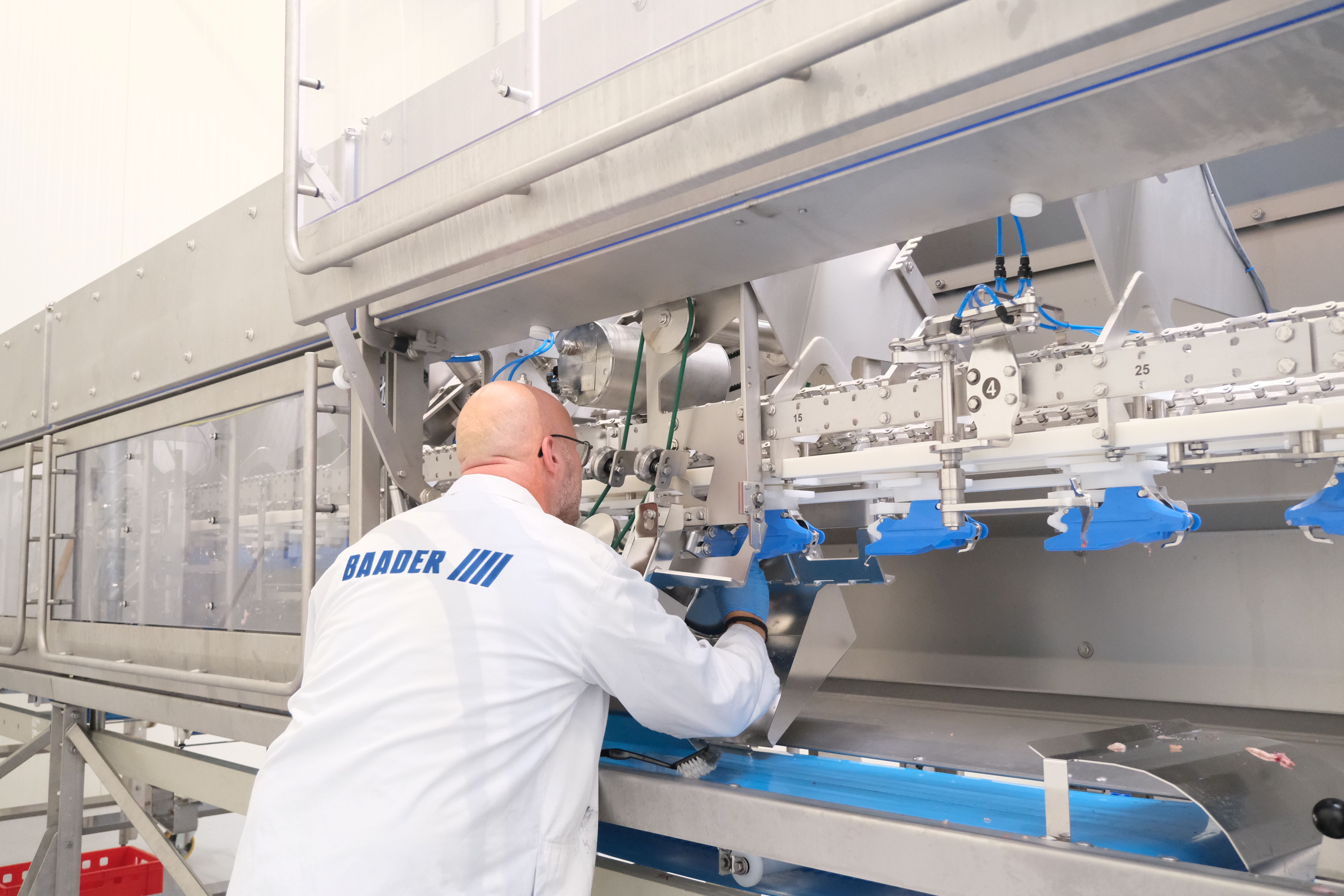
The saddles transporting the front halves through the processing area can be removed quickly without the need for tools, simplifying routine cleaning and maintenance.
The open tooling tunnel provides easy access to processing components, making cleaning and servicing more efficient. A quick-release system also allows the wishbone knives and tendon clippers to be changed quickly, reducing maintenance time and helping ensure a safer, more efficient working environment for operators.

The intuitive screen interface and pre-set recipes make machine setup quick and straightforward, particularly when changing production during a shift. Operators can select the appropriate recipe to apply the required machine settings for each product. Recipes are easy to create and can be adjusted whenever production requirements change. This helps streamline setup, improve efficiency, and reduce the risk of operator errors.
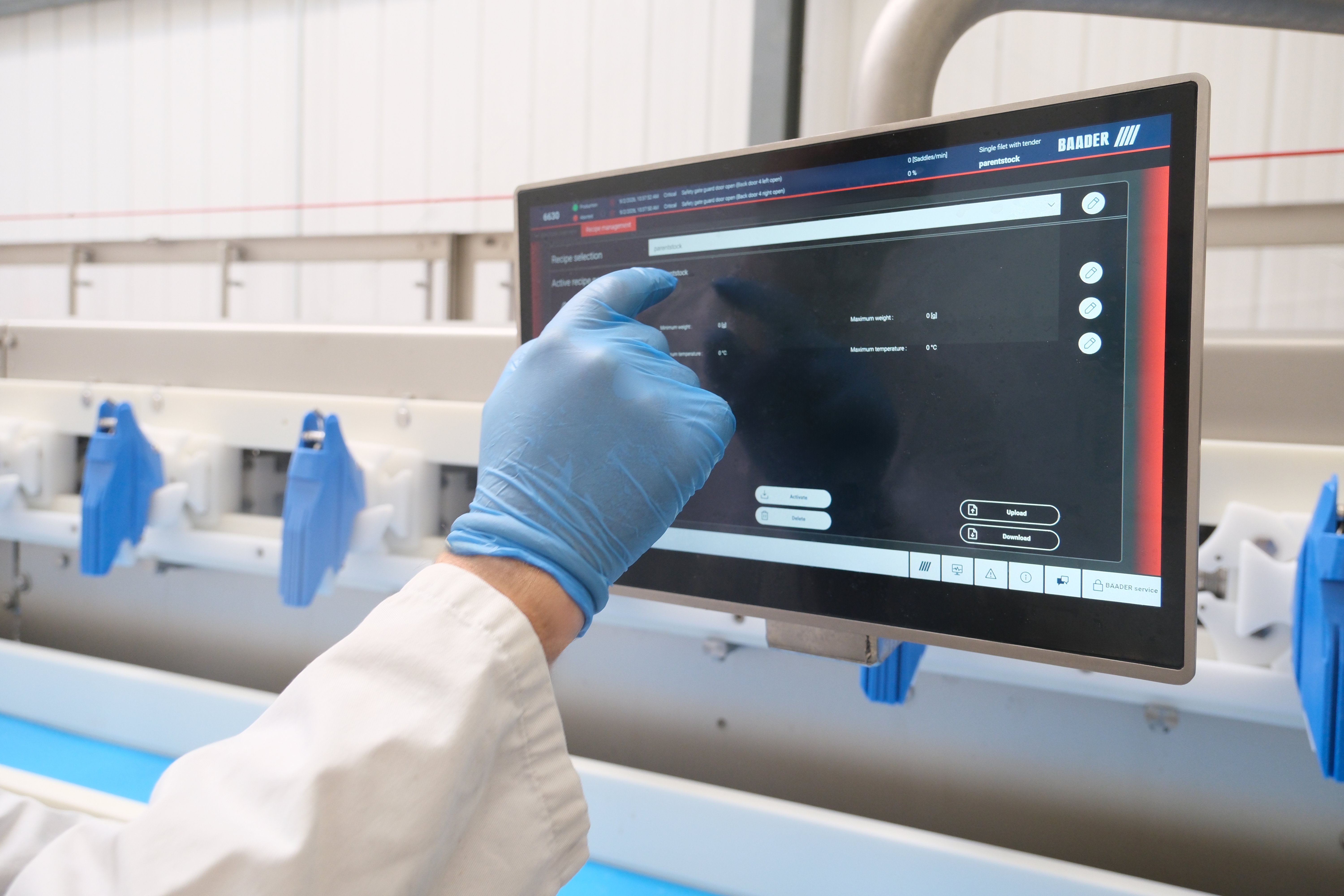
Reliable production data helps processors monitor performance and make informed decisions. The deboning machine connects seamlessly with BAADER One Edge, enabling secure and consistent data exchange.
By providing valuable insights into machine and plant performance, this connectivity helps processors better understand their operations and use production data to identify opportunities for improvement.

The ClassifEYE vision camera can be installed after fillet harvesting to continuously monitor and analyze passing carcasses. Its intuitive dashboard presents clear detection data, providing operators with an overview of deboning performance. By identifying residual meat and highlighting areas for improvement, ClassifEYE helps processors identify optimization opportunities, increase yield, and achieve consistent results.


Tell us about your processing requirements and see how our experts can help you improve your quality, throughput, and yield.