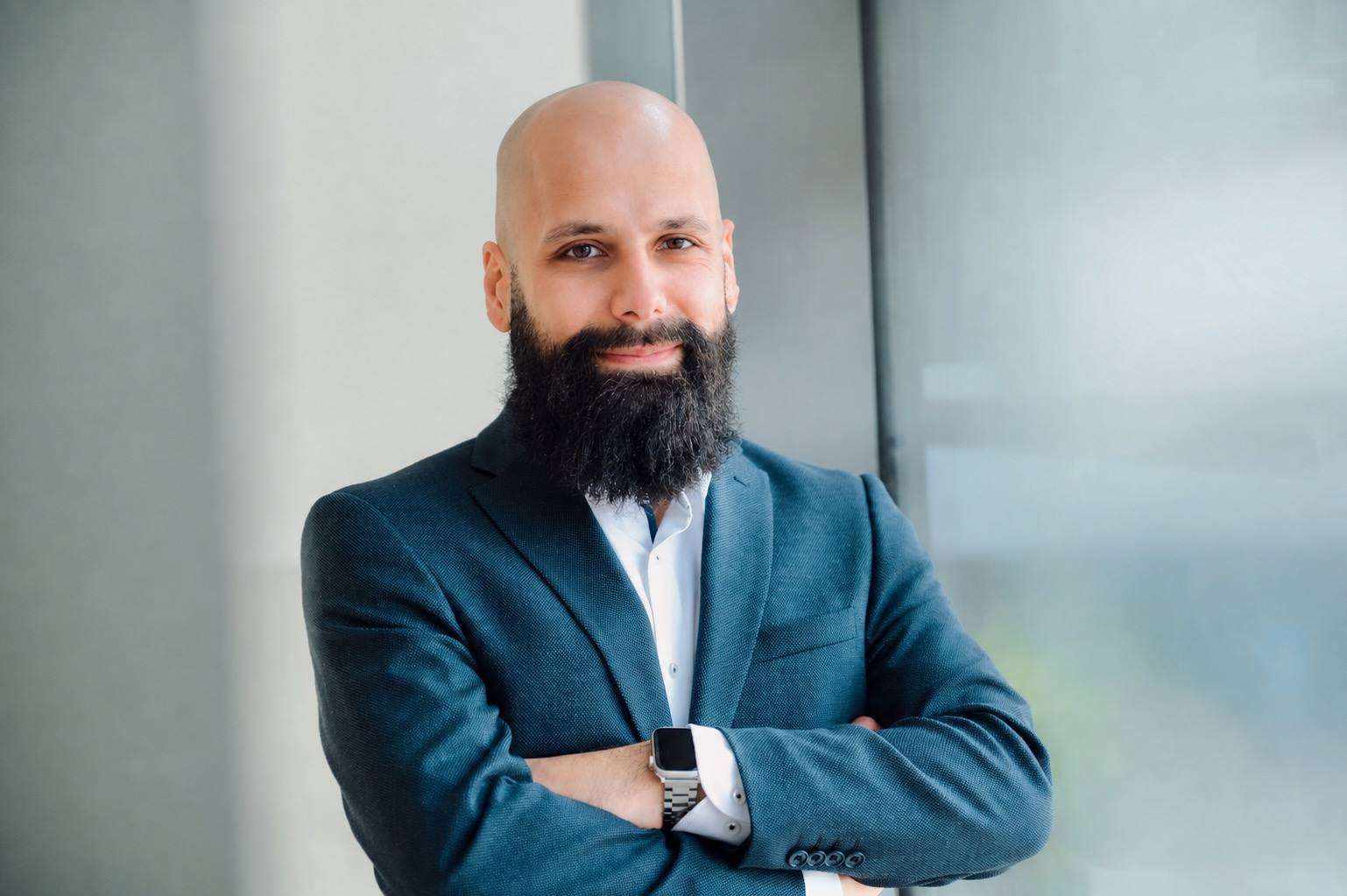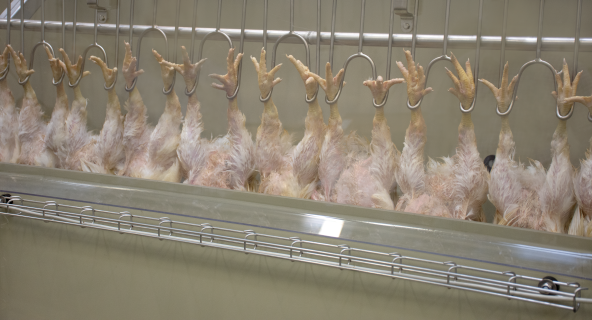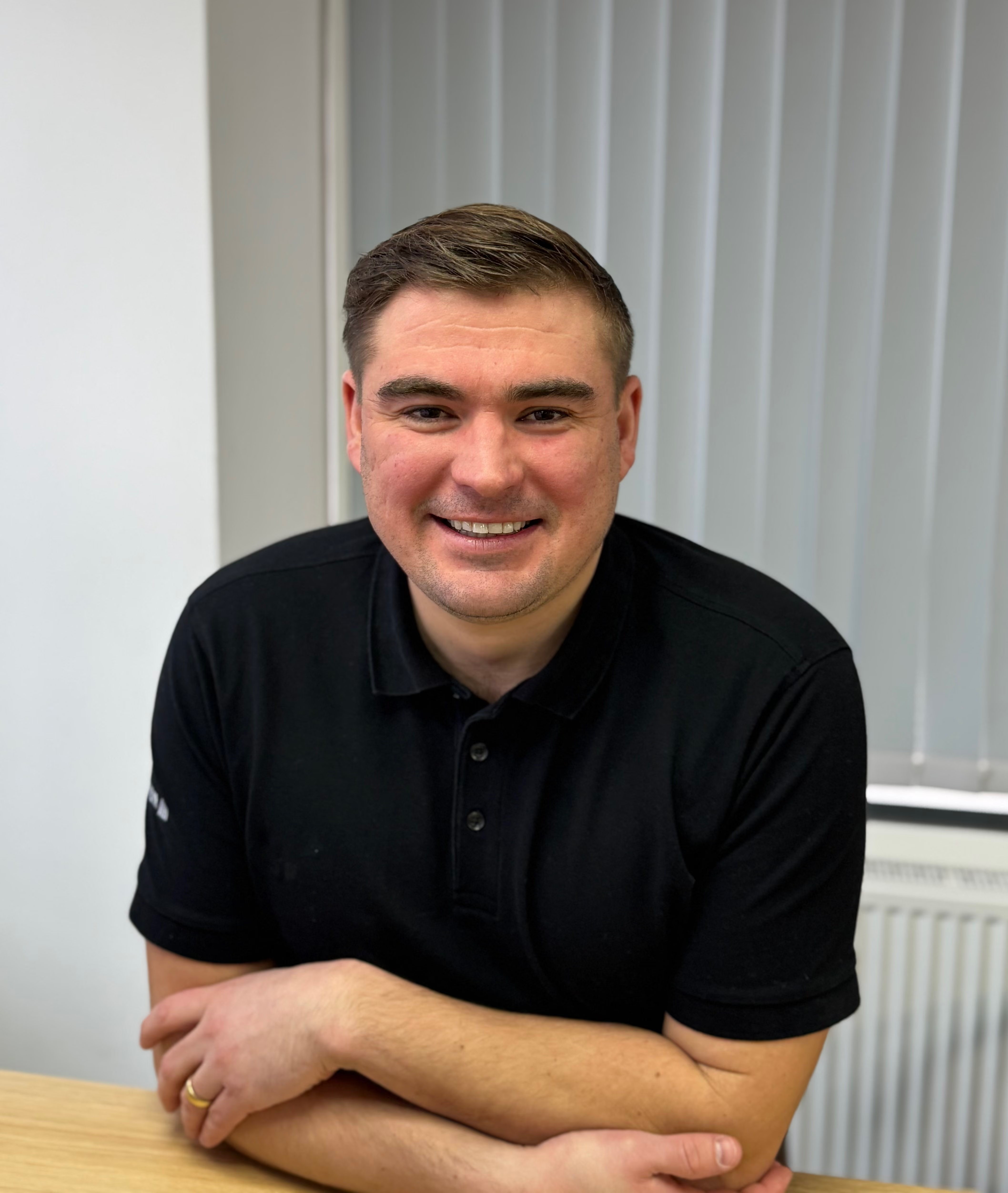
Could you briefly describe your role as Global Sales Manager for Digital Solutions and your main responsibilities?
My job is to bring our digital portfolio to the market. That is the software, the connectivity and the data services around our processing lines. Basically everything that does not weigh two tons.
The regional teams continue to be the first contact for our customers. That does not change. I support them on the digital side and join them where needed. And I work closely with product management, so that what we promise and what we build stay in sync.
The role is new. We have defined the frame, but we did not cast it in metal. It is still flexible, the way software should be. Call it version 1.0, with a roadmap.
How have your background and previous experience prepared you for this role?
I started on the shop floor, so I know production from the side where the machine simply has to run. Later I studied electrical engineering and applied information technology, and ended up programming our machines, among them the Breast Cap Deboner 660A.
For years I worked closely with the automation teams in our other entities, with Digitalization and with the Vision and AI teams. So the software I now bring to our customers is software I helped build, together with people I have known for years.
Going from writing the software to representing it feels less like a career change and more like a refactoring. Same system, new interface.

What opportunities do you see for digital solutions in the poultry processing industry?
Our customers work with a natural product, so every product is a little different. The good news is that our machines are already talking. Our ClassifEYE vision systems look at every single bird - the same way on every shift. The interesting part is turning that into something you can act on.
Because the real value is not only the grade. It is also the cause. With cameras at several points along slaughter and evisceration, a defect can be linked to a machine, a station, a shackle position, or a flock. That is the difference between seeing a result and understanding the reason for it, while there is still time to do something about it.
And it works on the lines our customers already run. The machines are out there, many of them already producing data, and a camera still looks at bird number eighty thousand exactly the way it looked at the first one. So we do not have to start from zero. We get to make something that is already installed more useful, and that is my favorite kind of project.
How can our digital solutions help customers improve their operations, make better decisions, or create value in their daily work?
For me it comes down to timing. Many decisions in a plant are not wrong, they just come late. In software we would call that latency. In a plant this might be called the morning report. Our job is to move that moment forward - to minutes instead of days.
For maintenance that means knowing which machine needs attention, and seeing right away whether an adjustment actually worked. For production it means flock information arriving before the birds do, so the line is already set up for them. For quality it means objective records on every bird instead of a sample. And for planning it means knowing what is coming, early enough to match it to the orders.
It is one data stream feeding very different decisions. And the real measure is not the dashboard, it is the decision somebody makes because of it. The best compliment our software can get is that somebody forgets it is there, because by then it has become part of how they work. That is why the direct contact with our customers matters so much to me.
Are you interested in learning more about BAADER's digital solutions? Explore BAADER One here