Main Menu


Processing Overview
Partner in Fish Processing
BAADER Products
Primary Processing
Secondary Processing
Software Solutions
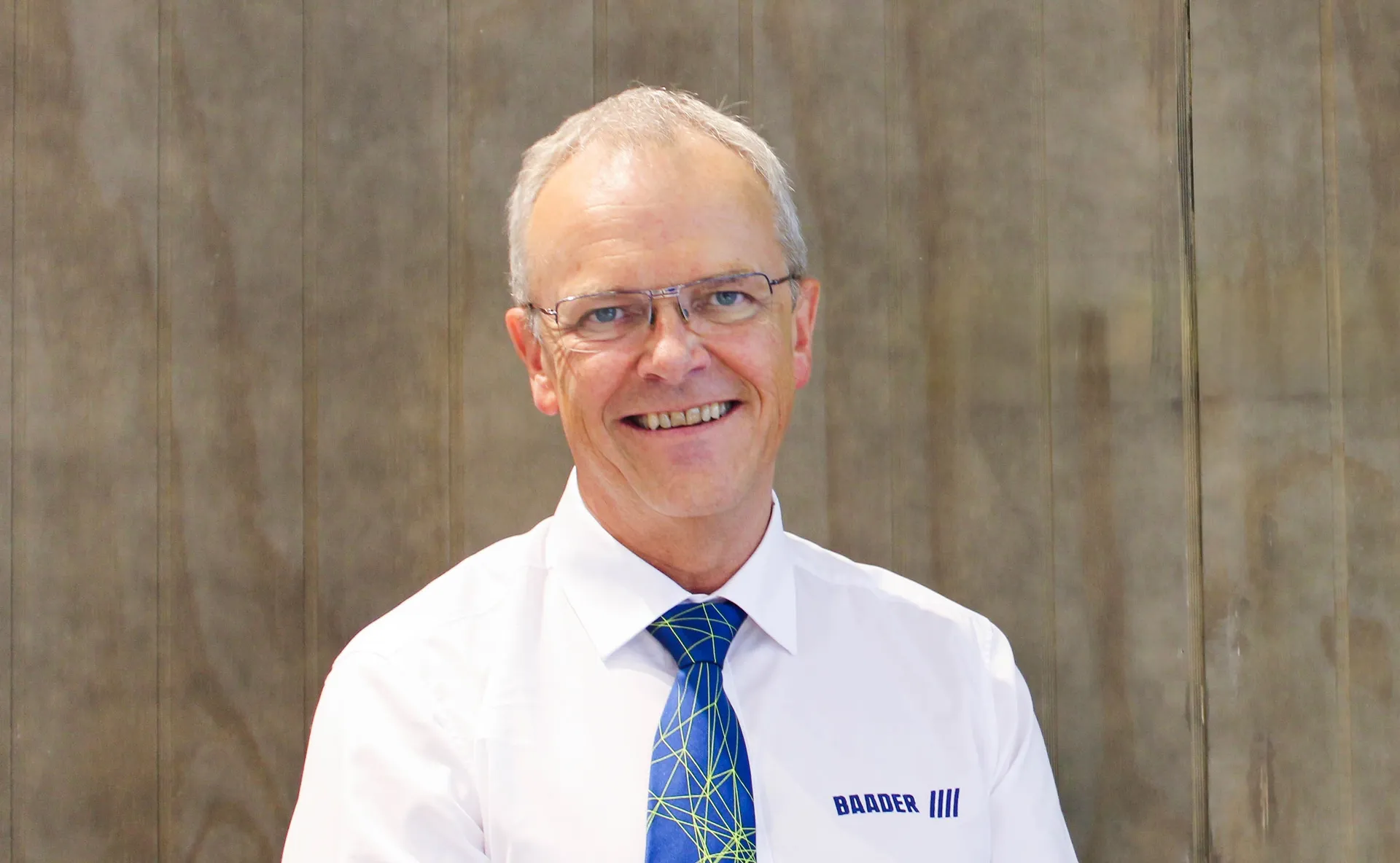
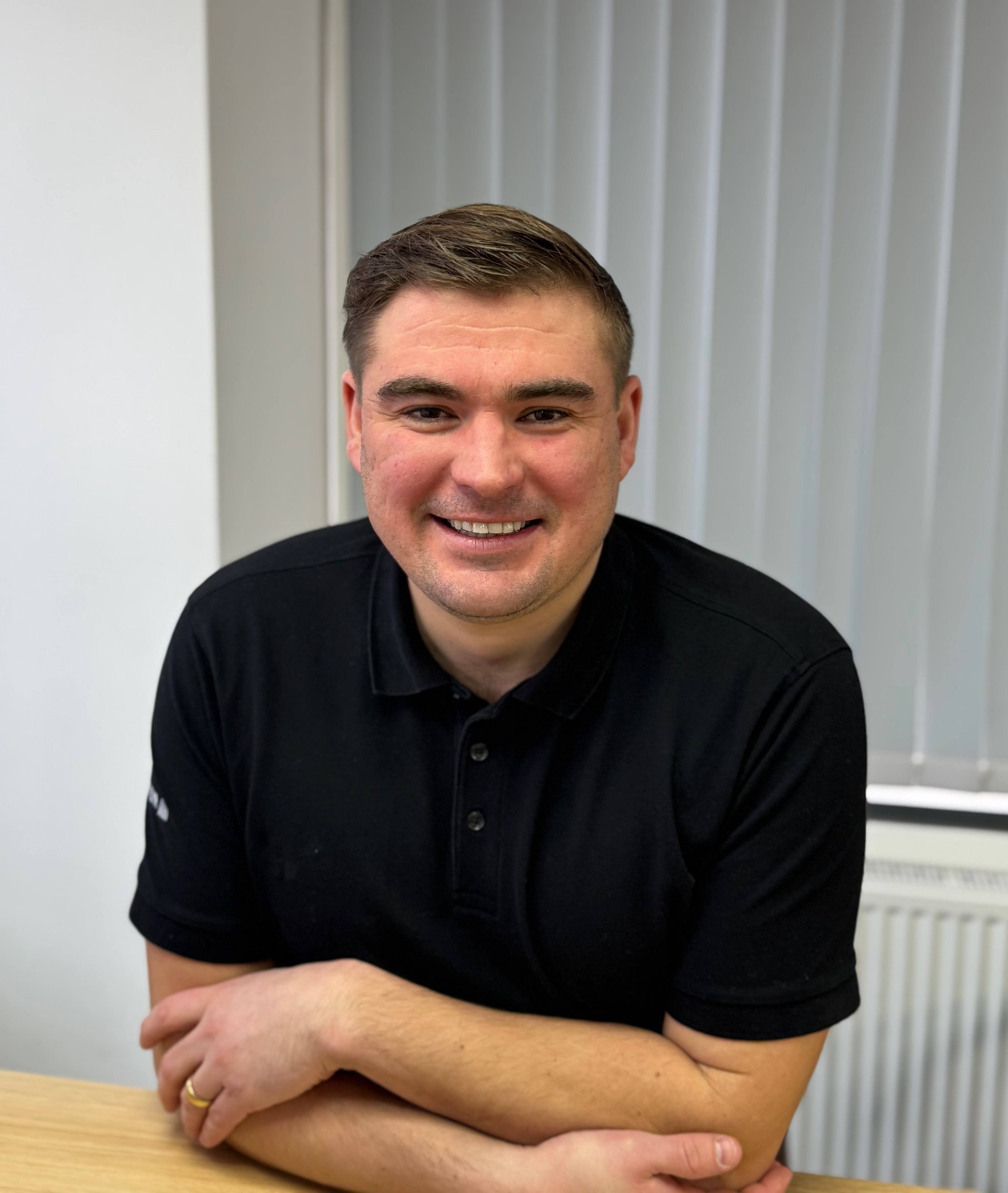
Kjell, as Sales Manager at BAADER Norway you’re a familiar face at NASF. What will be the core focus of your keynote “Technology Meets Market Demands” this year?
I’ll focus on the practical link between market demand and technology choices. What we’ve learned in real operations, and how those lessons shape the next generation of solutions. One key driver is volatility: raw-material availability and volumes fluctuate, which makes pricing hard to predict. That uncertainty puts pressure on the margin between raw material cost and end-product value. Managing that margin is central, and it should directly influence how processors evaluate and choose technology. I’ll close by sharing what’s new: current innovations and technical solutions that help processors improve yield, consistency, uptime, and product flexibility.
From a Norwegian perspective, what are the most important technology trends shaping seafood processing in 2026 and what will matter most for competitiveness?
The big theme is stable output quality. Processors will win by combining flexibility, yield, value recovery, and operational robustness. Flexibility means handling more variation in species and size and delivering more product formats without sacrificing consistency. Yield and value recovery remain critical, because every percentage point matters when raw material is volatile and margins are tight. And operational robustness is becoming a real differentiator: less downtime, easier maintenance, and more predictable performance day to day. Finally, sustainability is moving even closer to the core of these decisions especially as pelagic resources come under increasing pressure.
What do you hope to take away from NASF this year - both for BAADER and for the industry dialogue?
NASF is where you can test assumptions. I’m looking for direct feedback from producers, brand owners, and market experts on where demand is really heading—and which requirements are becoming non-negotiable. It’s also about strengthening relationships and turning conversations into concrete next steps: identifying projects where BAADER can support customers with scalable, future-proof solutions—whether that’s stabilizing output quality, improving yield and value recovery, increasing flexibility across species and product formats, or building more robust operations with less downtime.
.jpg)